
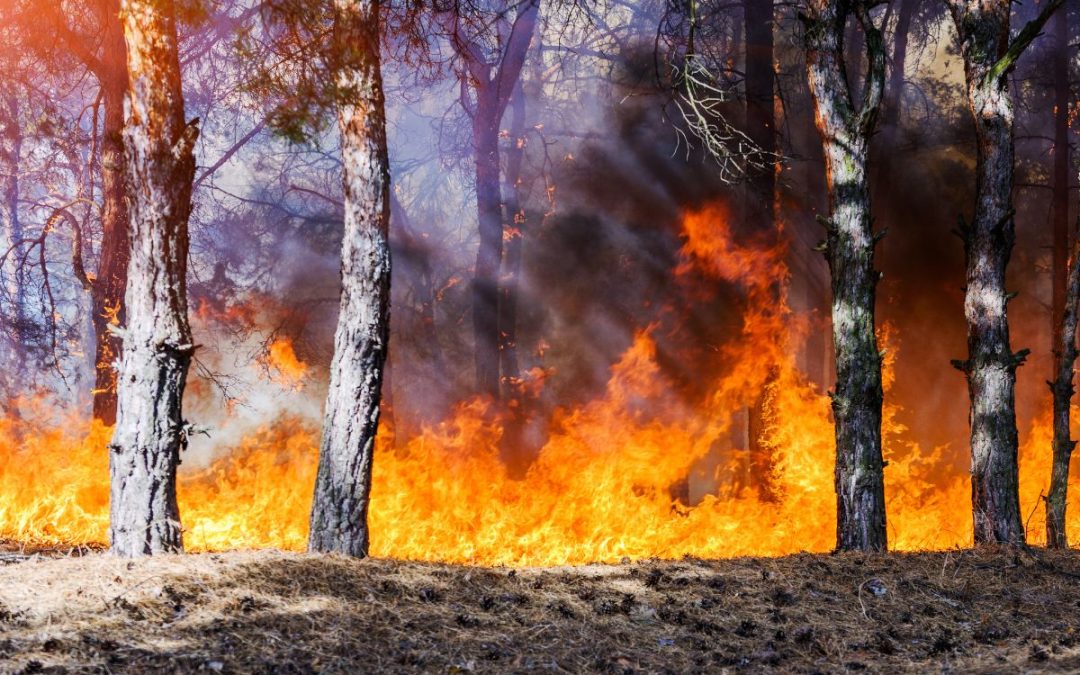
Towards the end of March, 2025, a series of wildfires popped up in both South Carolina and Western North Carolina.
In this blog post, I will share not only our wildfire evacuation story, but also tips to help you and your family be prepared if this type of natural disaster should occur in your area.

Our Wildfire Evacuation Story
On an otherwise normal evening, while watching a high school baseball game, things took a sharp turn.
We started getting alerts and notifications about nearby evacuations due to the Table Rock Complex Wildfires, which were quickly spreading along the North Carolina and South Carolina state line.
Although it wasn’t our road being evacuated, the high winds and close proximity was enough to make us uneasy.
We left the game out of caution, came home, and started packing. Within the first hour, word-of-mouth reports said the fire might be closer than we thought. That was our cue.
We kicked it into high gear, grabbed what we could, and loaded up both of our cars . Since we have 2 adults, one kid, and two dogs, we chose it would be best to pack both cars with as much essentials as possible.

We packed the following into our suitcases, backpacks, and overnight bags:
- Clothing
- Our family emergency go-bags
- Toiletries
- Some sentimental items and family keepsakes
- Cash
- Important documents (Birth certificates, insurance, social security, banking, etc)
- Firearms
- Dog food, leashes, dog beds, and their favorite toys
- Snacks, bottled water, and blankets
- Computer
- Natural Remedies (a bucket of our favorite herbs, salves, and tinctures)
- School bags and lunch boxes (our daughters school was not cancelled)

It was already late in the evening when we left. A friend offered us an Airbnb in town, but when we arrived – it was already occupied.
Plan B: hotels. Except, because of the evacuations, every hotel nearby was at full capacity. By midnight, it looked like we might end up sleeping in our cars. (Pro tip: pack those blankets and pillows)
Finally, after many phone calls, we found one room open in a neighboring town. One bed. One room. And thankfully, they accepted pets.
We checked in around 2 a.m. Funny story – as soon as we walked in, our daughter questioned why there would be a jacuzzi tub int he middle of the room. I immediately said, “touch nothing, keep your socks on, and we are only here to sleep.”

Yep, it was that kind of room. Two adults, one pre-teen, and two dogs all piled into a king bed for a rough four hours of rest.
As soon as my daughter showed signs of waking up, I insisted we get out of that hotel room and begin figuring out Plan C.
After leaving the hotel early that morning, a friend called and offered us to stay with him as long as needed. The sense of relief is nearly indescribable.
Not only did he feed our family a hot meal every night, he provided warm, luxury-style beds to sleep in. A good nights sleep is so important for your mental health when in a limbo situation.

We got Skyler to school and began unloading our clothing into our friends home. Although I didn’t want the stress of taking Skyler to and from school, she insisted on not missing.
When a traumatic event occurs, keeping kids in as much of a normal routine as possible will help their mental state. For that reason, we hauled her 40 minutes to school each day.
In short, we evacuated on a Tuesday night and were, thankfully, able to return home on Saturday evening – -with no damage to our home!
Throughout the days, while evacuated, we were able to return to our home to check on things. This game us a peace of mind being able to grab a little more each day.

Next, you will fine tips to help you and your family be prepared if this were to happen in your area.
Wildfire Evacuation Tips for Families
After going through this experience, we want to share some tips in case you or someone you know ever faces an emergency evacuation—especially with kids and pets.
1. Have a Go-Bag Ready
Prepare a “go-bag” or emergency kit ahead of time. It should include:
- 3 days’ worth of clothing
- Toiletries
- Flashlights & batteries
- Important documents (in a waterproof folder)
- Medications
- Copies of pet records
- Snacks, bottled water
- Blankets & phone chargers
👉 Here is a printable checklist for making a go-bag.
2. Keep Gas in the Car
Don’t let your gas tank run low during wildfire season. When evacuation orders hit, gas stations can be packed—or closed.
3. Know Your Routes
Familiarize yourself with multiple evacuation routes from your home. Fires can shift quickly and block main roads.
This is another reason why we keep a road atlas in our vehicle. In a natural disaster, it is very possible your GPS or cell service could go down. Always have a back-up!

4. Secure Lodging Early
If you even think you may need to leave, start calling hotels right away. Better to cancel a reservation than to be left scrambling at midnight.
5. Communicate a Plan
Make sure each family member knows what to do and where to go in case of evacuation. Include kids in packing so they feel prepared, not panicked.
6. Take Pictures of Your Home
Before leaving your home, take pictures of everything for insurance purposes. Walk room to room and take multiple pictures to show what you have.
We went through every room, including the basement and exterior of the house, and took photos of everything – from different angles to assure we didn’t miss anything.

7. Think of the Pets
Have crates, leashes, food, and bowls ready to go. Not all places accept pets, so be prepared to ask or find alternatives.
Having a list of pet-friendly hotels within a 1-2 hour radius is a great way to be prepared. Keep this list in your phone so you’re not searching around the home last minute.
8. Prep the Outside of Your Home
When you first hear of wildfires in the area, even if they aren’t close, it’s a good time to prep the exterior of your home.
- Rake debris and brush away from your home.
- Move gas cans and propane tanks away from your home.
- Remove any patio/deck furniture that will easily burn.
- Soak the outside of your home using a hose.
9. Keep Important Documents in One Area
Whether you have a filing cabinet or a designated drawer, keep all important documents together. Then, when it’s time to evacuate, you can quickly pull what you need.
We have a large filing cabinet, so I pulled the most important files, and put them into a small file basket (shown below). This way, the files were protected from getting torn and bent up in the evacuation.

10. Baskets and Bags are Easy to Transport
Throwing clothes, medications, and toiletries into the back of your car can quickly become a chaotic situation. It will make it harder to find something when you need it in a hurry.
When evacuating in a hurry, plan on using laundry baskets, luggage, and any available bins, totes, or backpacks to pack your belongings in.
For example, we wanted to take our natural remedies. Thankfully, they are all stored in a basket in the bathroom. This way, I was able to grab the entire basket and keep everything from spilling.

11. Support the First Responders
Keep in mind, the first responders are running into the exact situation you are evacuating from.
Show them gratitude and support by dropping off donations or volunteering at the local fire command center.
Travis, Skyler, and I were able to help out by dropping off beverages and protein bars. Plus, we spent a couple days at the local drop-off location to help sort supplies, serve food, and prepare snack bags for the firefighters.
Even if you have an extra hour or so, any little bit helps. Reach out and check your local FB groups to see how you can support those who are working tirelessly to keep you and your home safe.

Before you go, here are more posts you’ll enjoy:
Emergency Prepping for Kids and Pets
