
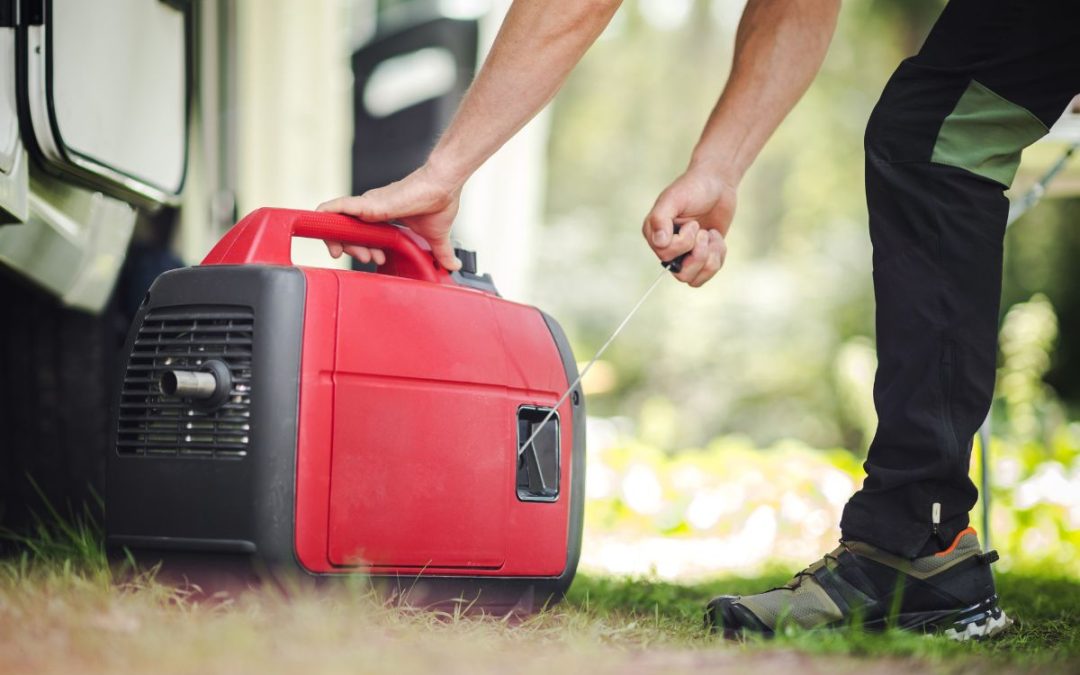
Welcome to our guide on finding the right size generator for camping adventures.
When you’re out in the great outdoors, nothing beats the serenity of nature—unless, of course, your camping trip turns into a battle for power.
Whether you’re in a cozy camper or a large RV, figuring out what size generator for camping you need can feel like trying to solve a riddle. But don’t worry, we’ve got you covered!
If you’ve been following our series on generators, you already know we’ve delved deep into the world of portable generators, inverter generators, and solar generators.
Now, it’s time to put all that knowledge into action and find the perfect generator for your Tent, RV, or camper.

Understanding Your Power Needs
Before we get into the nitty-gritty of generator sizes, let’s talk about power needs.
The first step is understanding how much power your camping setup actually requires.
When staying in tents, you may want a generator to help prepare camping food, blowing up mattresses, etc.
RVs and campers come with a variety of appliances, from microwave ovens and air conditioning units to the all-important coffee maker—which, let’s be honest, is non-negotiable on any trip!
To figure out your power needs, you’ll need to tally up the total wattage requirements of your common RV appliances.
This includes everything from your RV air conditioner to phone chargers. Keep in mind that some appliances, like space heaters or microwaves, may need a higher capacity generator, especially if you plan on running them simultaneously.

Types of Generators: Choosing the Right One
Now that you know your power requirements, let’s talk about the different types of generators available:
1. Portable Generators
Portable generators are the workhorses of the camping world. They’re versatile, easy to transport, and come in various sizes and power outputs.
If you’re camping in a travel trailer or small RV, a portable rv generator might be your best bet.
These generators typically run on gasoline or propane, making them easy to refuel during your trip. Plus, they’re powerful enough to run essential appliances like microwave ovens, lights, and a small ac unit without a hitch.

Key Features of Portable Generators:
- Power Output: 2,000 to 5,000 watts, depending on the model.
- Fuel Type: Gasoline or propane.
- Run Time: Generally ranges from 8 to 12 hours on a full tank.
- Noise Level: Can vary, but newer models are quieter.
- Best For: Campers, travel trailers, and small RVs where space is a premium.
🏕️ Best Portable Generator: Westinghouse WGen7500 – A reliable, powerful generator with 7,500 running watts, ideal for powering multiple appliances on a camping trip.
2. Inverter Generators
If you’re looking for something quieter and more fuel-efficient, an inverter generator is a great way to go. These generators are known for producing clean energy, making them perfect for sensitive electronics like laptops and phone chargers.
Unlike traditional generators, inverters adjust their engine speed based on the power demand, which results in better fuel efficiency and a lower noise level.

Key Features:
- Power Output: Typically between 1,500 and 4,000 watts.
- Fuel Type: Gasoline, sometimes propane.
- Run Time: Varies but usually offers 6 to 10 hours on a single tank.
- Noise Level: Very quiet, often as low as 50-60 decibels.
- Best For: Campers who need a quiet and efficient power source, especially in national parks or places where noise restrictions apply.
🏕️ Best Inverter Generator: Honda EU2200i – Known for its quiet operation and fuel efficiency, perfect for sensitive electronics and small appliances.
3. Solar Generators
For those looking to reduce their carbon footprint while camping, solar generators are a fantastic option.
Powered by solar energy and portable solar panels, these generators are a quiet and environmentally friendly alternative. However, they’re typically best for low-power applications, as their recharge rates depend on sunlight availability.
Solar generators are ideal for recharging small devices like phones, cameras, and even small inverter generators for additional power on sunny days.

Key Features:
- Power Output: Generally lower, often between 500 and 2,000 watts.
- Fuel Type: Solar power.
- Run Time: Dependent on sunlight and battery storage capacity.
- Noise Level: Virtually silent.
- Best For: Eco-conscious campers, short trips, or use as a supplemental power source alongside another generator.
🏕️ Best Solar Generator: Jackery Explorer 1000 – A highly portable, eco-friendly option that harnesses solar power to keep small devices charged during camping.
4. Built-In Generators
Onboard generators are a game-changer for many RV enthusiasts, especially those who love the convenience of having a generator integrated directly into their RV’s electrical system.
These generators are typically installed by the RV manufacturer and are designed to provide a seamless power experience.

Key Features of Onboard Generators:
- Power Output: Typically ranges from 4,000 to 12,000 watts, enough to power all your RV’s essentials.
- Fuel Type: Can run on diesel, gasoline, or propane, depending on your RV.
- Convenience: Built into your RV, so no need to transport or set up a separate generator.
- Noise Level: Generally quiet, with newer models designed to minimize noise and vibration.
- Run Time: Depends on your RV’s fuel tank size; diesel models often offer longer run times.
🏕️ Best Built-In Generator: Cummins Onan 4500 – A robust onboard generator that’s great for larger RVs, offering ample power for all your needs.
5. Diesel Generators
Diesel generators are known for their durability and fuel efficiency. They’re a popular choice for larger RVs with built-in generators, especially for those who plan on long-term stays or extensive road trips.
Diesel fuel provides more energy per gallon than gasoline, leading to longer run times and lower fuel consumption. However, diesel generators can be heavier and more expensive, so they’re typically found in high-end or larger RV setups.

Key Features:
- Power Output: Typically 3,000 to 12,000 watts.
- Fuel Type: Diesel.
- Run Time: Longer than gasoline, often 10-20 hours or more on a full tank.
- Noise Level: Can be louder, though newer models are designed to be quieter.
- Best For: Large RVs, extensive travel, or remote locations where fuel efficiency is critical.
🏕️ Best Diesel Generator: Generac XD5000E – A durable, fuel-efficient diesel generator ideal for long trips and remote locations.
6. Propane Generators
Propane generators are a cleaner alternative to gasoline models, producing fewer emissions and running quieter.
Propane doesn’t degrade over time, making it easier to store for long periods without worrying about the fuel going bad.
These generators are a solid choice for both small and large RVs, offering a balance of power output and fuel efficiency.

Key Features:
- Power Output: Varies widely, from 2,000 to 10,000 watts.
- Fuel Type: Propane.
- Run Time: Depends on the size of the propane tank; generally 8-14 hours on a 20-lb tank.
- Noise Level: Quieter than gasoline generators.
- Best For: RVs, campers, and anyone who prefers a cleaner-burning fuel option.
🏕️ Best Propane Generator: DuroMax XP4850EH – A versatile dual-fuel generator that runs on propane, offering reliable power for RVs and campers.

Finding the Right Generator Size for Tents, RV, and Camper
Choosing the right generator comes down to your specific camping needs and the amount of power required to keep your appliances running.
For short trips or light usage, a small inverter generator or solar generator might be all you need.
For longer stays, remote locations, or when running multiple larger appliances, consider a more powerful portable generator or built-in generator.
No matter which type of generator you choose, it’s essential to consider factors like run time, fuel consumption, and noise level to ensure a peaceful and well-powered camping experience.
With the right generator, your next camping adventure will be comfortable and worry-free, allowing you to focus on enjoying the beauty of the great outdoors.
- Tent Camping: The Jackery Solar Generator is ideal for tent campers who need to power smaller devices like phones, lights, fans, or portable cooking appliances.
- Small Campers and Travel Trailers: If you’re in a travel trailer or small camper, a portable rv generator with around 2,000 to 3,000 watts should suffice. This size generator can typically handle essentials like a microwave oven, lights, and a small ac unit without breaking a sweat.
- 30-Amp RVs: For a 30-amp RV, you’ll need a generator that can produce at least 3,500 to 4,000 watts. This will give you enough power to run most appliances, including your rv air conditioner, without worrying about power outages or tripping breakers.
- 50-Amp RVs: If you’ve got a 50-amp RV, you’re in the realm of larger power requirements. A larger generator with around 5,500 to 7,000 watts will give you the additional power needed to run larger appliances and keep everything humming along smoothly.

Fuel Types and Considerations
The type of generator you choose also depends on your preferred fuel type.
Gasoline, propane, and diesel generators each have their pros and cons:
- Gasoline Generators: These are the most common and easy to refuel, but they can be noisy and have a shorter run time.
- Propane Generators: These are cleaner and quieter than gasoline generators, with a longer run time but may not provide as much power output.
- Diesel Generators: These are powerful and fuel-efficient, making them a reliable generator for larger setups. However, they’re usually found in larger RVs with built-in generators.

Conclusion: What Size Generator for Camping
Choosing the right size generator for your RV or camper doesn’t have to be overwhelming.
Whether you’re after a portable solar generator, a small inverter generator, or a honda eu model, the key is to match the generator size to your power consumption and camping style.
Remember, the first thing to consider is how much electricity your appliances will need at any given time.
So, as you pack up for your next camping adventure, take a moment to ensure you have the best generator to keep your trip powered up, whether you’re relying on shore power at rv parks or venturing off to remote locations.
With the right generator, you’ll be able to enjoy the great outdoors without worrying about power outages or whether your coffee maker will make it through the morning.
Happy camping! And don’t forget to check out our adventure series for all your camping and outdoor needs.

