
Do you want to prep, but you feel you live in too small of a space? If so, these prepping tips for apartments and small spaces is just what you need to get started.
Living in an apartment, small condo, or other small living quarters can be tricky when trying to find space to prep for emergencies.
After moving to the mountains of North Carolina, we had to live in apartments for the first couple years. Travis and I know first hand how challenging it can be to prep your family for emergencies, but we are here to tell you it’s absolutely possible.
Today’s tips will show you how you, too, can utilize every square foot of your space to assure you will have what you need in the event of a natural disaster or emergency.

Apartment Prepping Tips
If you think prepping is only for people with big houses and extra storage, think again!
Living in an apartment or small space doesn’t mean you can’t be prepared. It simply means you have to be a little more creative.
Whether you ‘re prepping for power outages, supply shortages, or unexpected emergencies, here are some simple practical tips to help you stay ready without cluttering your space.
1. Prioritize Multi-Use Items
When space is limited, every item should serve more than one purpose. Here are some items you should look for when starting your emergency prep totes:
- Crank-powered radios – Many have build in flashlights and phone chargers.
- Vacuum-sealed food storage – If it’s already sealed, you don’t have to take up more space with a sealer.
- Collapsible water containers for refilling when extra water is needed (great for filling up before a storm or emergency)
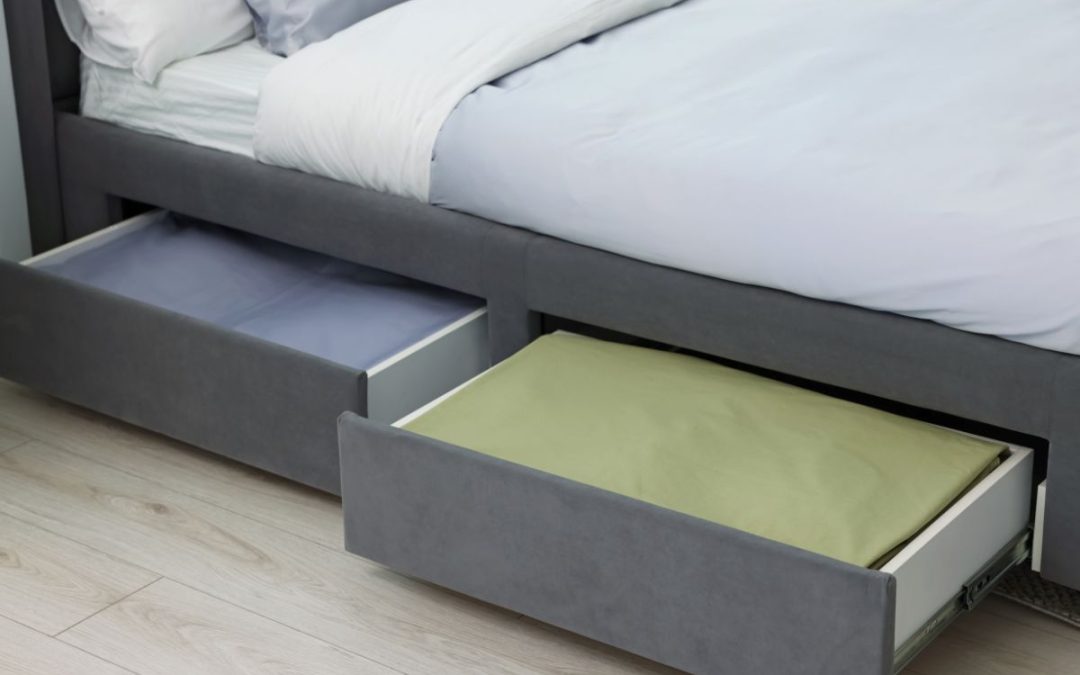
You can also look for furniture that serves as storage (see image below).

2. Store Smart, Not Big
Instead of stacking bulky containers, use under-bed-storage, vertical shelving, and hidden spaces.
Here are some simple storage hacks to store smart, not big:
- Use vacuum-sealed bags for extra clothing, and extra blankets. You’d be surprised how much space you can save when things are vacuum sealed.
- Store canned goods under the bed or behind furniture. It sounds silly, but if you have limited cupboard space, under the bed storage is the best option. Plus, it’s out of sight of your guests.
- Keep emergency supplies in a hanging closet organizer. If you don’t have room for another tote under the bed, consider keeping items vertically in a closet organizer or on a door organizer.

3. Build a Mini Emergency Pantry
Don’t worry, if you don’t have an actual pantry, you can make this work!
You don’t need a basement full of supplies – just a small stash of essentials to get you through 72 hours.
- Non-perishable foods like rice, pasta, canned meats, and peanut butter
- Water storage (keep a few gallons on hand or invest in a good water filter)
- Quick energy snacks like granola bars and nuts
Here are more tips on building a 72 hour food supply.

4. Have a Power-Outage Plan
Since apartments rely on electricity for nearly everything, be prepared for blackouts:
- Keep a portable power bank for your phone and small devices
- Have battery-powered or rechargeable LED lights instead of candles for safety
- If you rely on electric cooking, get a small butane or propane stove (if allowed)

5. Prepare for Mobility
Having an emergency Go Bag packed and ready is essential in situations where you may need to leave home or reach safety quickly.
In case of evacuation, you’ll want a go-bag (aka bug-out bag) with:
- A change of clothes
- Important documents (digital copies work too)
- Basic hygiene items
- Non-perishable snacks and water

6. Keep It Discreet
Unlike rural preppers, apartment dwellers may not want their supplies to be obvious. Consider:
- Storing preps in labeled bins that blend in with your decor
- Keeping valuables and emergency cash hidden in books or containers
- Avoiding oversharing about your supplies (security first!)

7. Learn Skills, Not Just Stockpile
You can stockpile all the gear in the world, but without the right skills, even the best tools might fall short.
Even with limited space, knowledge is your best prepping tool. Learn:
- How to purify water without a filter
- Basic first aid and home medical care
- How to cook without electricity
Whether you’re just starting out or a seasoned prepper, here are the top five skills every prepper should know.

Conclusion
Prepping in an apartment is totally doable. You just have to think outside the box and not care what others think of your space.
Focus on essentials, use your space wisely, and make sure you have a plan.
A little preparation today can make all the difference when an emergency hits.
Since Hurricane Helene hit here in the mountains, I have been helping others getting themselves, kids, and pets prepared. What is your biggest prepping challenge in a small space? We can chat about it in the comments.

