
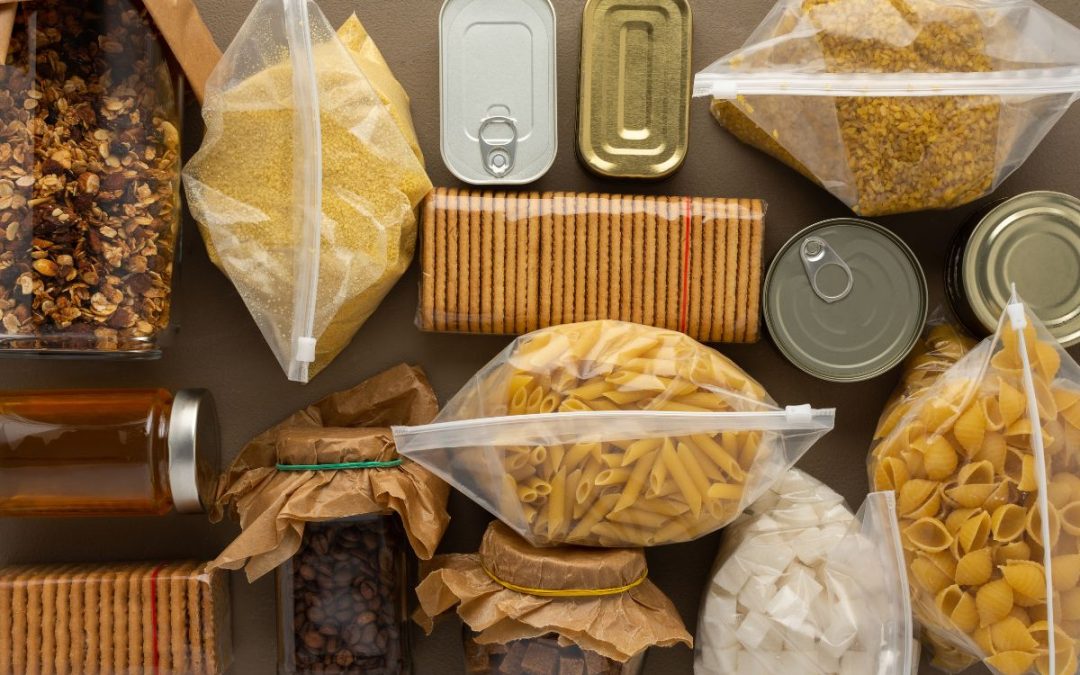
When emergencies hit, whether it’s a snowstorm, hurricane, power outage, or just a hiccup in the food supply chain, it pays to have your home prepped with a 3 day food supply.
Stocking a 72-hour emergency food supply doesn’t have to break the bank. We have learned from hurricane Helene that being strategic and shopping wisely, you can have a reliable stash of essentials without draining the wallet.
In today’s article of our prepping series, we will share how to plan for the right food items and give you an example of a 72 hour food supply for one person.
Before we get started, grab your free emergency checklist.

Why a 72 Hour Food Stash?
First, let’s talk about the magic number – 72 hours. Emergency management experts suggest preparing for at least three days of self-sufficiency; so, that’s what we are helping you with.
72 hours, or 3 days, gives enough time for any disruptions to start resolving and for resources to reach those who need them. (In most cases. The folk in the WNC mountains waited much longer than this).
A 72 hour food supply is manageable, relatively inexpensive, and can offer a huge peach of mind!
Plan Your Food Stash Around Affordable Staples
One of the easiest ways to keep costs low is to focus on inexpensive, nutritious foods with a long shelf life.
Look for items that don’t require refrigeration and have the added benefit of being high in calories and nutrients.
To stay on budget, look for basics that are on BOGO sales. Use one for now and save the other in an emergency stash.
You can also prep by buying in bulk. Buying in bulk can save you money, especially for items like rice, beans, and pasta.

Here are some basics to start with:
- Rice and Pasta: Affordable, versatile, and filling.
- Oats: Perfect for breakfast or to add bulk to other meals. Oats are cheap, nutrient-dense, and shelf-stable.
- Canned vegetables and fruit: I prefer freeze dried, but those are often more expensive.
- Canned tuna or chicken: High in protein, long shelf life, and they go well with rice, pasta, or crackers.
- Canned chili or stew: These can be a little more expensive, but they make for an easy, satisfying meal. Try finding sales or buying store brands.
By planning your meals around these staples, you’ll have a solid foundation for meals that will keep you nourished without hurting your budget.

Add High Energy Snacks to Emergency Stash
High-energy snacks are great for emergencies – they provide quick calories and are easy to carry if you need to leave your home.
Here are some inexpensive options that are high in calories and will increase your energy level:
- Peanut butter: Great on its own or spread on crackers. Peanut butter is high in healthy fats and proteins, and it’s filling.
- Granola bars: Look for store brands or bulk packages to save money. Opt for bars high in fiber and low in sugar for sustained energy.
- Trail mix: Buy ingredients like nuts, dried fruit, and chocolate in bulk and make your own mix to save money.
- Crackers: Choose whole grain for more fiber and pair them with peanut butter or canned tuna for a quick snack.
Include Hydration and Cooking Supplies
Water is a must-have for any emergency stash. Plan to have at least 1 gallon per person per day.
For a 72-hour supply, get 3 gallons per person. If possible, grab water purification tablets or LifeStraws as a backup in case you run low on clean water.
If you’re prepping for potential power outages, consider how you’ll cook your food. Some budget-friendly items to add are:
- Portable stove: Inexpensive single-burner camping stoves can come in handy, and they’re usually compact.
- Lighter or waterproof matches: Essential for any cooking or heating needs.
Sample 72-Hour Food Supply for One Person
The following is a sample food list for 1 person to eat for 3 days. If you have more than one person in your family, please calculate accordingly.
Here is a simple, budget-friendly 3-day emergency food supply list for one person:
- 2 packs of instant oatmeal (for each morning)
- 1 box of crackers (for snacks or pair with meals)
- 1 jar of peanut butter (high calorie and long shelf life)
- 2 cans of canned tuna or chicken
- 1 pack of pasta and 1 can of tomato sauce (for pasta dishes)
- 1 bag of instant rice
- 3 cans of mixed vegetables
- 1 can of chili
- 3 granola bars
- 1 trail mix bag
Total approximate cost is $20-$30 depending on where you shop and the current inflation rates. This list covers basic nutrition and includes some variety to keep your meals changed up from day to day.
Conclusion
Building a 72-hour emergency food supply doesn’t have to be expensive. With a bit of planning, shopping smart, and rotating your stock, you can create a reliable food supply on a budget.
You’ll feel more secure knowing you’re prepared and when an emergency arises, you’ll have one less thing to worry about.
Remember, preparedness is about peace of mind and having a plan. Don’t let it overwhelm you – just start simple with your free printable checklist and a trip to the store.

